Why whiplash refers to a mechanism of injury, not a single diagnosis
Whiplash is one of the most commonly used terms after a car accident, yet it is also one of the least understood. Many people associate it with mild neck pain, while others assume it refers to a specific diagnosis that applies equally to everyone.
In reality, whiplash does not describe a single injury. It describes a mechanism of injury — a specific way the body is forced to move during trauma — and the resulting effects can vary widely from person to person.
Whiplash Refers to a Motion, Not a Diagnosis
Whiplash occurs when the head and neck are rapidly forced backward and forward, most commonly during rear-end collisions or sudden changes in speed. This rapid acceleration–deceleration motion places stress on the cervical spine and surrounding tissues.
Importantly, the term whiplash does not identify which structures are injured. Instead, it describes how the injury occurred, not the outcome. Two individuals can experience the same whiplash mechanism and develop very different clinical findings.
How Whiplash Affects Multiple Structures
During a whiplash event, several anatomical structures may be affected to varying degrees. These can include:
Cervical muscles and tendons
Ligaments that stabilize the spine
Facet joints and joint capsules
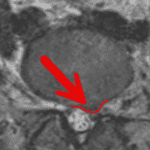
Intervertebral discs
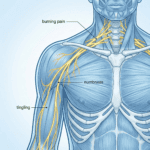
Nerve roots and other neural tissues
Because each tissue type responds differently to force, symptoms can range from mild stiffness to more complex pain patterns or neurological complaints.
Why Whiplash Symptoms Can Vary So Widely
Whiplash injuries are influenced by numerous factors, including:
The speed and direction of impact
Head position at the moment of collision
Body posture and seat position
Prior injuries or underlying spinal conditions
Individual tissue characteristics and muscle tone
This variability helps explain why some people experience only transient discomfort while others develop more persistent or multifaceted symptoms.
Why Whiplash Symptoms Are Often Delayed
As with many trauma-related injuries, the body’s acute stress response can temporarily suppress pain and discomfort immediately after a collision. Adrenaline and other stress hormones may mask symptoms in the hours following impact.
At the same time, inflammation and tissue irritation develop gradually. As these processes evolve, neck pain, headaches, stiffness, or reduced mobility may not become noticeable until days later. Delayed symptom onset is a recognized and expected pattern, not an indication that the injury is minor or imagined.
Common Symptoms Associated With Whiplash
Whiplash-related symptoms may include:
Neck pain or reduced range of motion
Headaches
Shoulder or upper back discomfort
Sensory changes such as tingling or numbness
Cognitive symptoms such as difficulty concentrating
Not every individual experiences all of these symptoms, and both severity and timing can vary.
Why Whiplash Is Often Underestimated
Because whiplash injuries do not usually involve fractures or visible wounds, they are sometimes viewed as minor. However, the absence of obvious structural damage does not mean the injury is insignificant.
Understanding whiplash as a biomechanical event rather than a simple neck strain helps explain why symptoms can be delayed, varied, and, in some cases, persistent.
A Clinical Perspective
Accurate evaluation of whiplash-related injuries requires understanding both the mechanism of injury and how symptoms evolve over time. Identifying which tissues are involved is essential for appropriate management and recovery planning.
For those who want to learn more about how whiplash and other accident-related injuries are evaluated, additional educational resources are available throughout SpineNJ.com. If questions ever arise after a collision, our office is also available as a local resource for individuals seeking guidance from a fellowship-trained auto accident chiropractor experienced in injury evaluation.